The Hole Truth And Nothing Butt: 10 Things I Learned from the new Butthole Surfers Documentary

I finally watched the new Butthole Surfers documentary last month: The Hole Truth And Nothing Butt. Here are ten things I learned from the movie.

I finally watched the new Butthole Surfers documentary last month: The Hole Truth And Nothing Butt

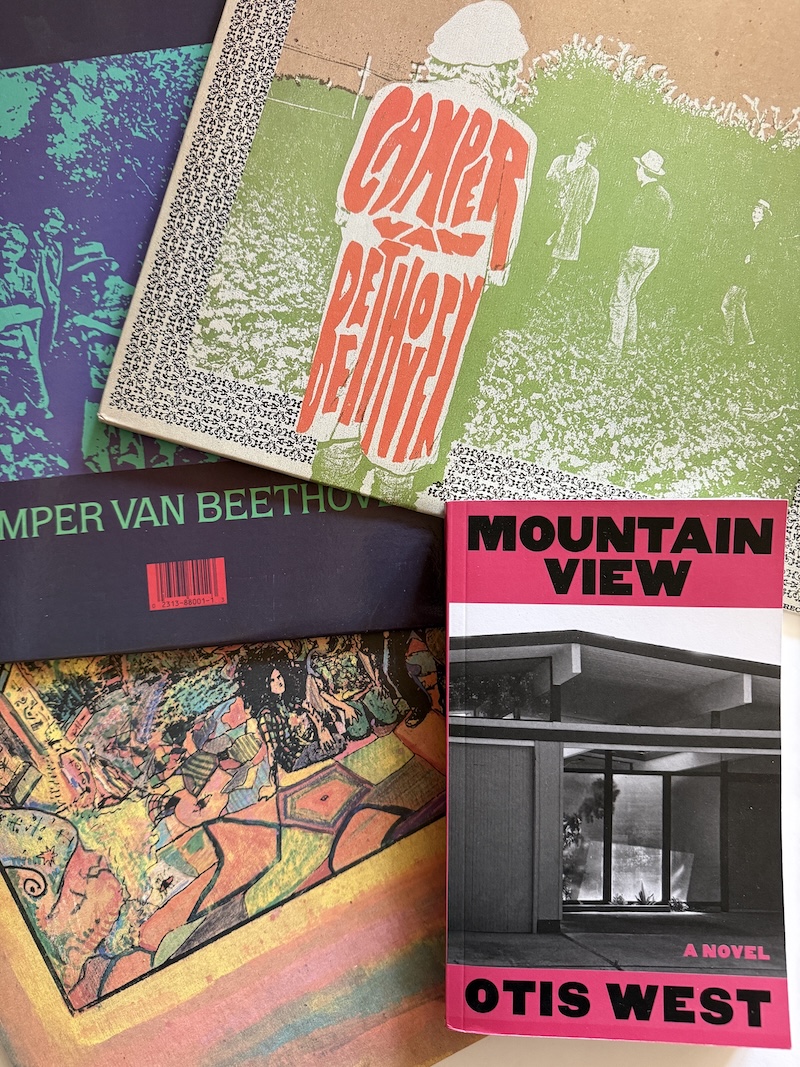
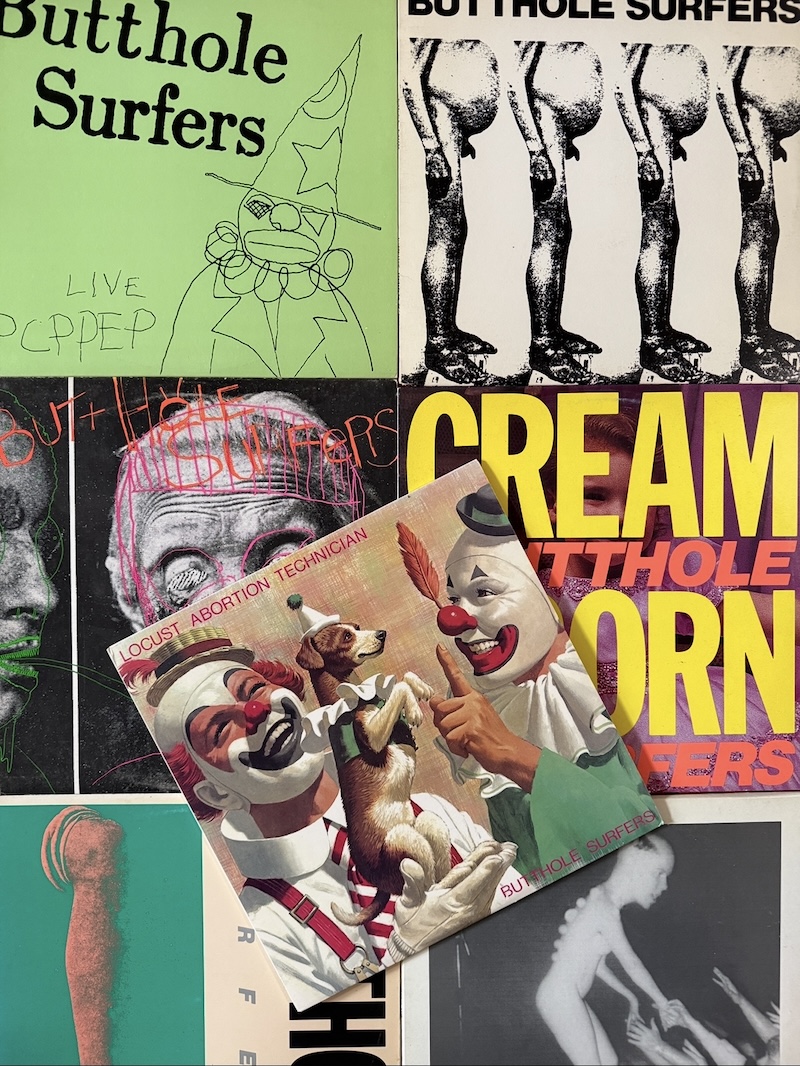
I got Rembrandt Pussyhorse when it came out in 1986 and became totally obsessed with the band and got everything they had done (still have them, see pic). Locust Abortion Technician seemed to up the ante next year and I was lucky enough to see them play on November 2, 1987 at One Step Beyond in Santa Clara, California. In retrospect I feel like this was the absolute peak of the band. Hairway to Steven was a huge disappointment to me when it came out in 1988 and I totally stopped following the band at that point. I had read about the Butthole Surfers in Our Band Could Be Your Life when that book came out in 2001 but forgot about many details until now. Anyway, here are ten things I learned last from the movie:

  1. They got their first record deal with Alternative Tentacles because their van happened to break down in front of the Tool and Die in San Francisco while the Dead Kennedys were playing there in 1982.
  2. The bass player I saw at that show was actually their 8th bass player. Super cool dude. JD Pinkus. Always thought his haircut was rad–he looked just like this when I saw them, and I grabbed this photo from the documentary. If anyone knows the photographer please let me know so I can credit them.
  3. The naked dancer I saw at that show (painted green, teeth blacked out) was Kathleen Lynch (AKA Ta-Da the Shit Lady).
  4. I knew their twin drummers weren’t actually twins. I didn’t know that the woman was Teresa Taylor, also famous as Pap Smear Pusher in the movie Slacker. She sadly passed away in 2023.
  5. The movie shown at the concert I went to was not a vasectomy surgery. It was a penis reconstruction surgery from a farmer who’d had a farm accident.
  6. The girl I was with at the show fainted. Apparently this was common at their shows because of the strobe lights.
  7. Speaking of Slacker, Richard Linklater was one of their first projectionists.
  8. Bob Forrest, who I had seen many times with Thelonious Monster, became friends with Gibby Haynes during the Johnny Depp Viper room days and remains friends with Gibby to this day. It was wild seeing the two of them together in the documentary.
  9. They got into a fight with Touch and Go after Hairway to Steven and sued them.
  10. Paul Leary learned producing from John Paul Jones after they signed with Capitol Records.
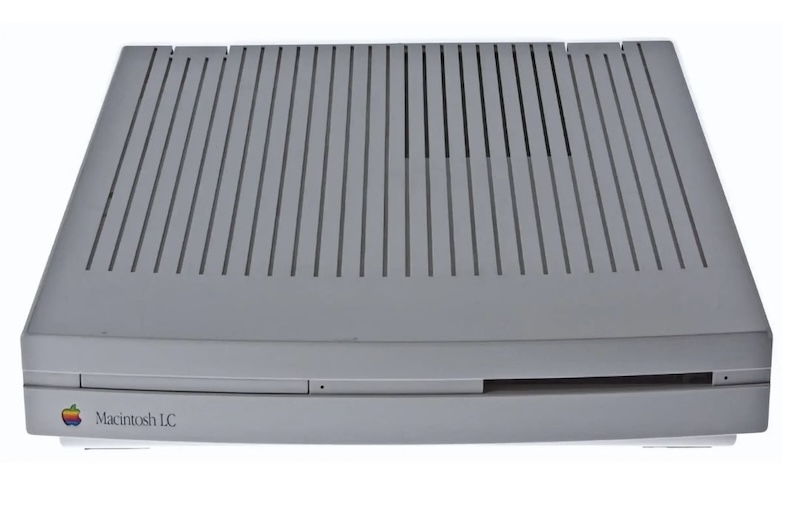
I wrote Mountain View on a Macintosh LC

The LC came out in 1990 and stood for “Low Cost.” It was Apple’s first Mac with a flat “pizza box” configuration.

I bought the LC shortly after moving to San Francisco in 1992. They sold for around $2,400 with another $399 for the monochrome monitor.

I had it for most of the 90s and then replaced it with a “Bondi Blue” iMac shortly after it came out in the late 90s.

I finished up Mountain View right around 1998 or so.

I remember dropping the LC down the three-story garbage chute from my Lower Haight apartment before moving to Seattle in 2000.

Bye bye LC and bye bye SF!

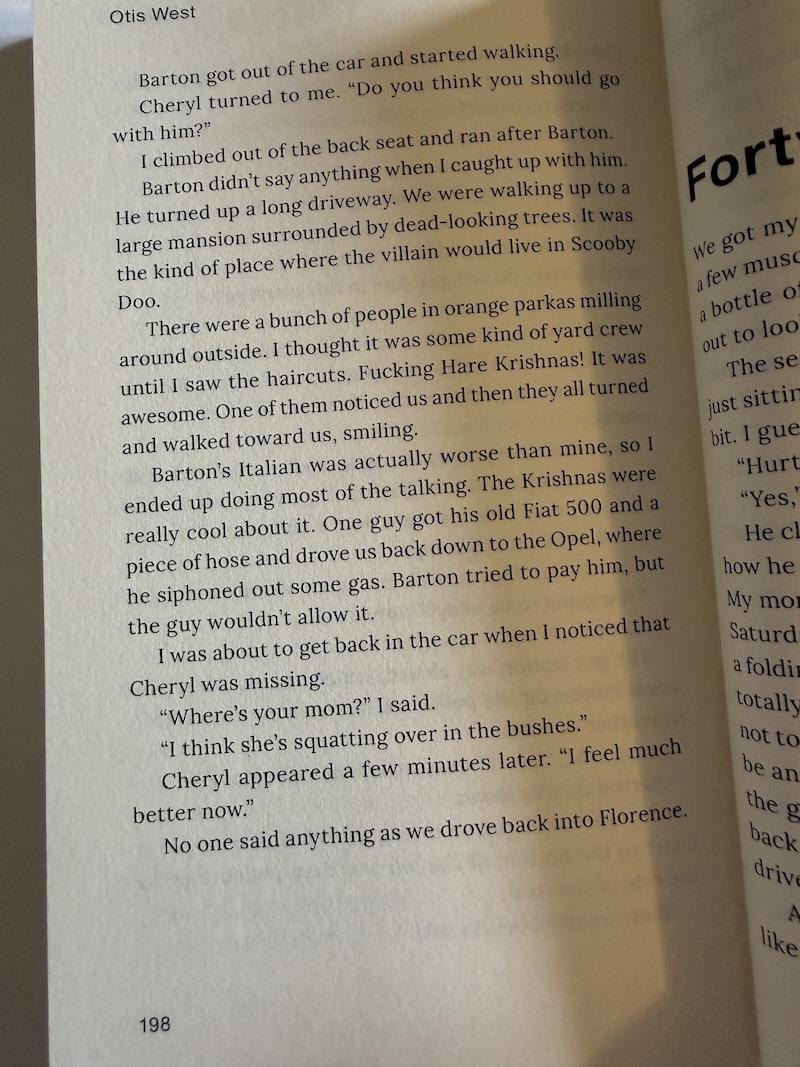
Hare Krishnas in Florence: The Story Behind a Scene in Firenze

Hare Krishnas were much more common in the 80s than they are today. When I was studying in Florence in the late 80s I’d see them in centro often. And sometimes on long bike rides I’d pass a villa that seemed to be owned and operated by them. One time I stopped there and talked to some of them for a bit.

I based a short scene in Firenze on that experience. Recently I googled it and think I may have visited Villa Vrindavana, a large 16th-century Renaissance estate outside of Florence, which today is the largest Hare Krishna temple in Italy.

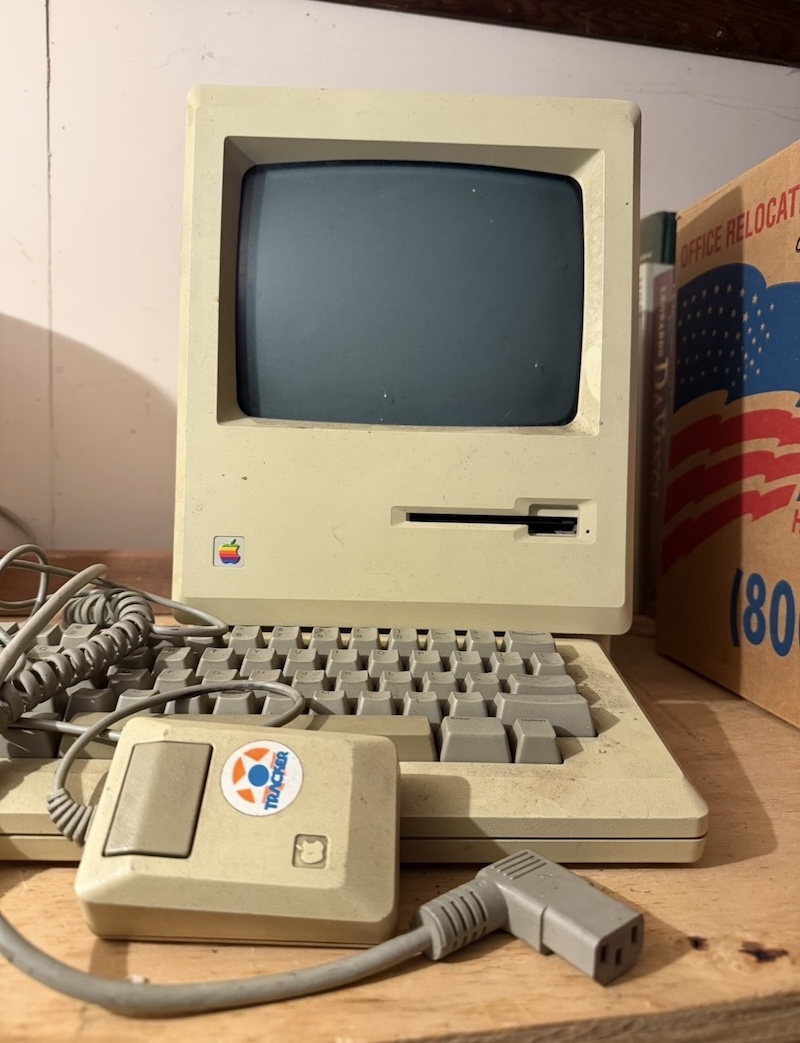
I wrote Stories on a Macintosh 512K

I bought a Macintosh 512K during my freshman year of college. It was my first real computer. As kids we’d had an Atari 400 but had mostly used it for games. I did all my high school papers on a typewriter.

When the 512k was first introduced in 1984 it retailed for $3,195. I think it had been discounted significantly by 1986 when I bought it, and then I got a further student discount, so I think I paid closer to $1,500. Still, adjusted for inflation, that is around $4,500 today!

I had this Mac til my mid-twenties–through the mid-1990s–and wrote most of the short stories in Stories on this computer. Then it disappeared. Or so I thought.

Then last year my brother was clearing some of his junk out of my parents’ garage and it appeared. It still has a Tracker sticker on the mouse (I actually hated Tracker trucks–have always used Independent Trucks, but I thought it was a cool and appropriate sticker for the mouse).

The stories in the collection are about adolescents and young adults. I was still very close to those experiences when I wrote those stories and I’m glad I got them down on the page when I did.

Camper Van Beethoven and the Sound of Mountain View

If I can think of any music to sum up the vibe of lazy San Francisco Bay Area summer days in the late 80s it’s Camper Van Beethoven. Formed in Redlands and Santa Cruz, they released their first three albums between 1985 and 1987. I bought these records as they came out and saw them play once or twice at the Fillmore in San Francisco. This music is part of the fabric of Mountain View.

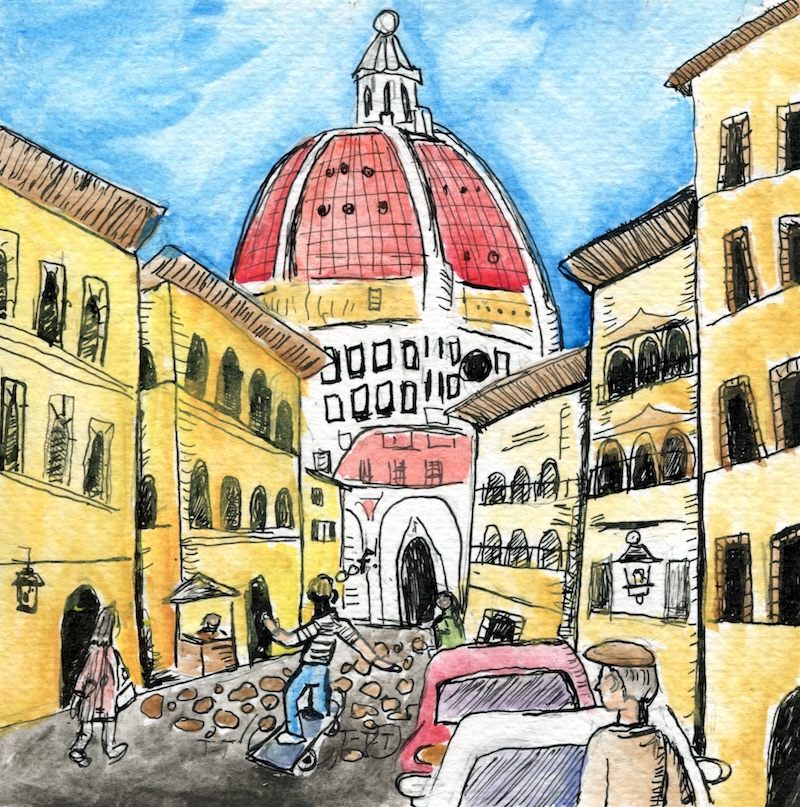
Skating the Cobblestones of Florence: The Story Behind Firenze

I’ve spent a fair amount of time in Italy both as a kid and an adult, and I studied in Florence for seven months during the late 80s. My younger brother was a pretty big skater and always used to bring his skateboard to Italy and try to skate cobblestones, etc. which I always thought hilarious. All of this went into creating Kevin, the narrator of my novel Firenze, who brings his skateboard to Florence.

I asked Sean Jackson to create this scene of hitting the cobbles on a skateboard and he did an awesome job.

Seattle in the Late 90s and Early 2000s: The World of Kato

I started visiting Seattle in the early 90s and then moved there in 2000. The city changed a lot over the years, and not for the better IMO. I moved away in 2021, though I still visit often. The version of Seattle depicted in Kato (set in the late 90s/early 2000s) no longer exists as far as I can tell.

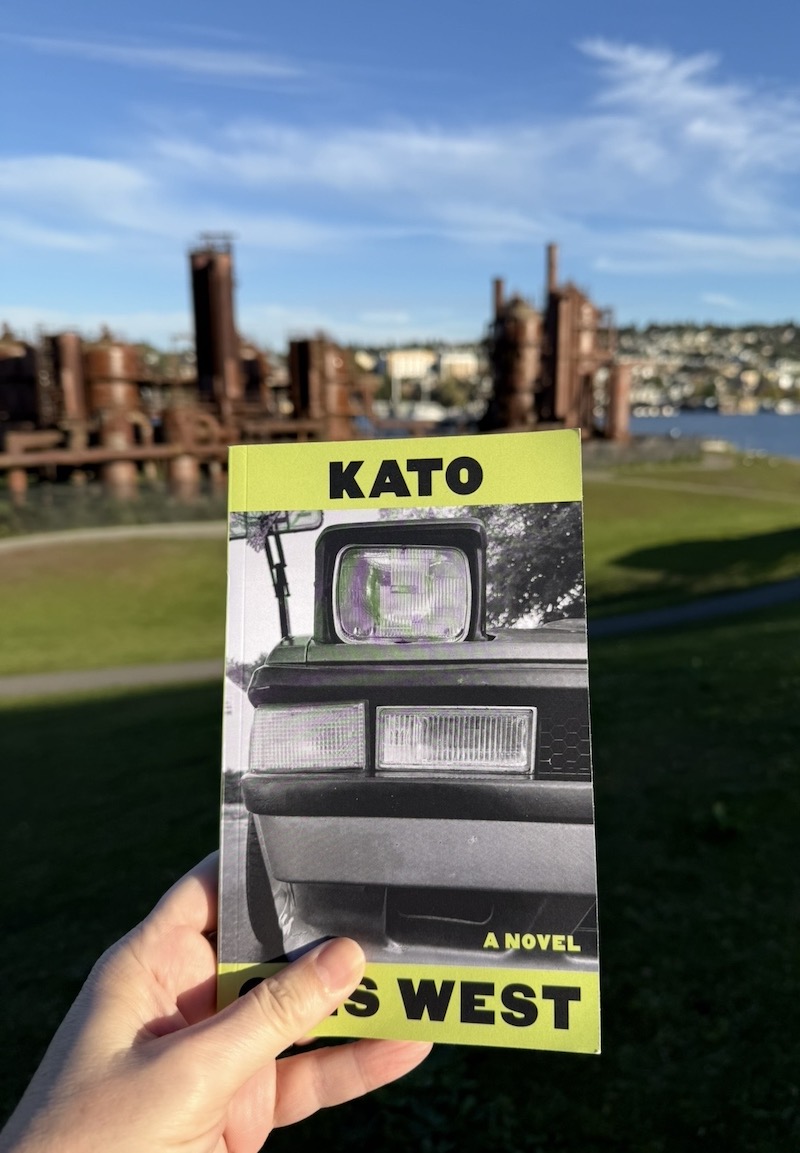
Photo taken at Gas Works Park in Seattle on a rare sunny day!

Learn more about Kato

Writing Mountain View in 1990s San Francisco: The N Judah Years

I wrote Mountain View in the late 90s while living in San Francisco. I recently came across some old photos in a box, taken from the window of the room where I used to write.

I left SF in 2000. All my friends were moving away (mostly to the East Bay or Brooklyn) and the place was really starting to change.

I really do miss 80s/90s SF sometimes! What an incredible time and place.

Miss the N Judah!

Learn more about Mountain View

The Eight Books That Made Me a Writer: From Vonnegut to Raymond Carver

Recently I was thinking about what I read as a kid, and how I eventually decided to try writing myself.

Looking back there seems to be four phases, each represented by two authors.

The first phase was reading on my own in elementary school in the mid-70s. I first became obsessed with Robert Arthur’s Three Investigators books and then with the John Christopher trilogy.

After that I stopped reading for several years. I don’t remember much of a “YA” category to bridge the gap. I read a little C.S. Lewis and JRR Tolkien, but fantasy was not my thing. I was more into BMX and sports.

In high school I didn’t pay a lot of attention to reading until around junior year in 1984 when an English teacher assigned 1984 and Brave New World. These books definitely got my attention. This was “real” adult writing to me.

The first writers that got me to read on my own again were Kurt Vonnegut and Hunter S. Thompson. I was very into punk rock and these authors seemed to have a punk rock, anti-establishment attitude.

In college I decided to be an English major, and began reading all the classics. But then I found Raymond Carver and Charles Bukowski. These were the first writers that made me think about writing myself. Something about their simple, clean lines and direct stripped-down storytelling gave me permission to try.

What were the books that got you into reading and maybe even into writing?